
Get Healthy!
- Posted March 13, 2026
Experts Weigh in on Digital Health Wearables for Neurological Health
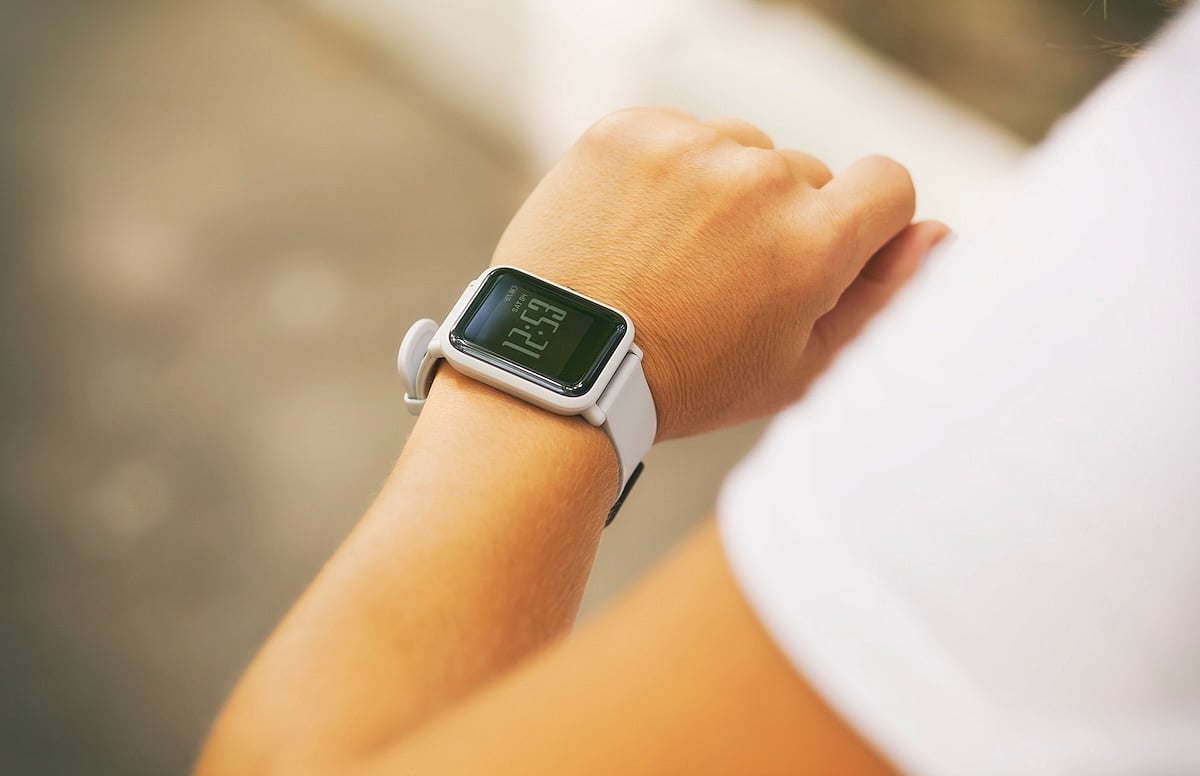
The fitness tracker on your wrist or the smart ring on your finger can do more than just count your steps.
These fast-evolving gadgets are becoming valuable tools for managing complex brain and nerve disorders, according to new guidance from the American Academy of Neurology (AAN).
For years, neurologists relied on what patients could remember between appointments. Now, wearables can monitor a patient's health vitals around the clock.
In a report published Mar. 11 in the journal Neurology, experts examined how everyday consumer-grade smartwatches and devices are used by patients in treating neurological disorders.
Researchers provided a current snapshot and case examples in the areas of heart rate and rhythm screening, epilepsy, headache and sleep.
For example, for those with epilepsy, certain apps and trackers can help forecast when a seizure might occur by monitoring heart rate and movements.
In headache management, sensors that track muscle tension and skin temperature -- a process called biofeedback -- can teach patients how to lower their stress levels to prevent pain.
Apps and trackers can also help monitor sleep duration, stages and quality of sleep.
“Wearable technology has grown in popularity with some people using devices to share health data with their physicians,” study author Dr. Sarah Benish, a professor of neurology at the University of Minnesota, said in a news release.
“This technology has great potential to provide more complete data for each person, allowing for greater insights into their health and possible identification of triggers to allow for a more individualized and successful treatment plan,” added Benish, who is also an AAN Fellow.
One of the most life-saving uses of smartwatches is detecting atrial fibrillation, an irregular heart rhythm that significantly increases the risk of stroke.
While watches can act as an early warning system, the AAN emphasized that they are not formal diagnostic tools. A red alert on a watch should be followed up by a clinical exam to confirm the problem, they stressed.
But the "always-on" nature of these devices can have a downside. The AAN warned that consumer tech can sometimes be inaccurate, leading to false alarms that scare patients as well as false reassurances that prompt them to ignore real symptoms.
Furthermore, the constant stream of health data can lead to a new type of stress.
“Such devices may also have unintended effects like increased anxiety,” Benish said.
Doctors are also concerned about data privacy and the fact that high-quality trackers are often too expensive for many families to afford.
“The landscape for wearable devices that provide health screenings, monitoring and even treatments is rapidly changing and therefore hard for physicians to know each individual device,” Benish said. “This technology has great potential to provide more complete data for each person, allowing for greater insights into their health and possible identification of triggers to allow for a more individualized and successful treatment plan.”
The guidance concludes that while digital health technology is exciting, it is still evolving.
Patients are encouraged to bring their wearable data to appointments with their health care provider but should view that data as a conversation starter rather than a final diagnosis.
More information
The U.S. Food and Drug Administration has more on digital health.
SOURCE: American Academy of Neurology, news release, March 11, 2026


